

Finding Clarity that Aligns with your Soul
Christian and Faith Based Therapy
When the world feels loud and God feels far away, it is easy to fall into a cycle of simply getting through the day. But you were made for more than a life of constant striving and spiritual dryness. Our faith-integrated therapy offers a sanctuary to name the silence, process the pain, and reconnect with the peace that surpasses understanding. We believe that Emotive Wellness and spiritual vitality go hand in hand, and we are here to walk with you as you move toward a life of true abiding.
Clinical practice and faith dynamics are deeply intertwined, and the clinical work we do is strengthened by the foundational elements that faith provides. Identifying the truths present within your faith allows us to build upon your view of self, move toward lasting confidence, and positively influence behaviors in a manner that honors the faith walk informing the depth of your soul.
Clinical Excellence, Faith Foundation
My approach is built on a dual foundation of clinical excellence and a lifelong commitment to the Christian faith. Before entering private practice, my journey included years of working within the church, where I witnessed firsthand the unique joys and complexities of life in a faith community. This background allows me to bring a deeply informed perspective to our work, blending evidence-based psychological tools with a foundational understanding of the spiritual walk. I don't just see you as a clinical case; I see you as a whole person whose history, values, and relationship with God are central to your healing. By integrating professional rigor with the wisdom of my own Christian background, we create a space where your past experiences are honored and your future growth is anchored in truth.

Safe, Judgment-Free Space
Share your challenges, doubts, or spiritual questions openly. You’ll be heard and supported without judgment.
Aligning Faith with Emotional Health
Explore how your beliefs can guide your choices, resilience, and coping strategies. Learn to use your faith as a source of strength, not conflict.
Navigating Life Challenges with Faith
Whether you’re struggling with anxiety, depression, grief, or life transitions, we can help you process these experiences while remaining true to your spiritual values.
Personalized Tools and Practices
Unique coping and grounding tools identified and practiced in session to support mental health while honoring your spiritual journey.

What does it mean when God feels far away?
When spiritual connection feels distant, many of us default to self-blame. From a clinical perspective, we recognize this as a cycle of internal pressure that actually hinders growth. In reality, this shift may mirror the biblical movement from milk to solid food, a necessary transition where your faith matures from a felt emotion into a grounded, foundational strength.
This is a process in which we identify as deconstruction of our faith and permits us the opportunity to move from a faith that has been gifted or expected of us to something deeper and more personal that we are able to find deep abiding personal connection through.
What this may look like:
Exhaustion from performing a perfect faith for others
The dissonance between traditional dogma and lived experience
Grieving the loss of a previously simple or certain worldview
Anxiety regarding the eternal consequences of questioning long-held beliefs
The shift from transactional if/then spirituality to a more complex faith
Difficulty reconciling cultural or political shifts with historical church teachings
The feeling of being an outsider in your own spiritual family
Struggling with the concept of God as a Father due to earthly relational wounds
Re-evaluating moral frameworks outside of a rule-based environment
Expressing our worries, fears and feelings without judgement allows us to grow in a greater, deeper more mature faith.
Struggling doesn’t mean your faith is weak, may mean it’s needing room to grow.
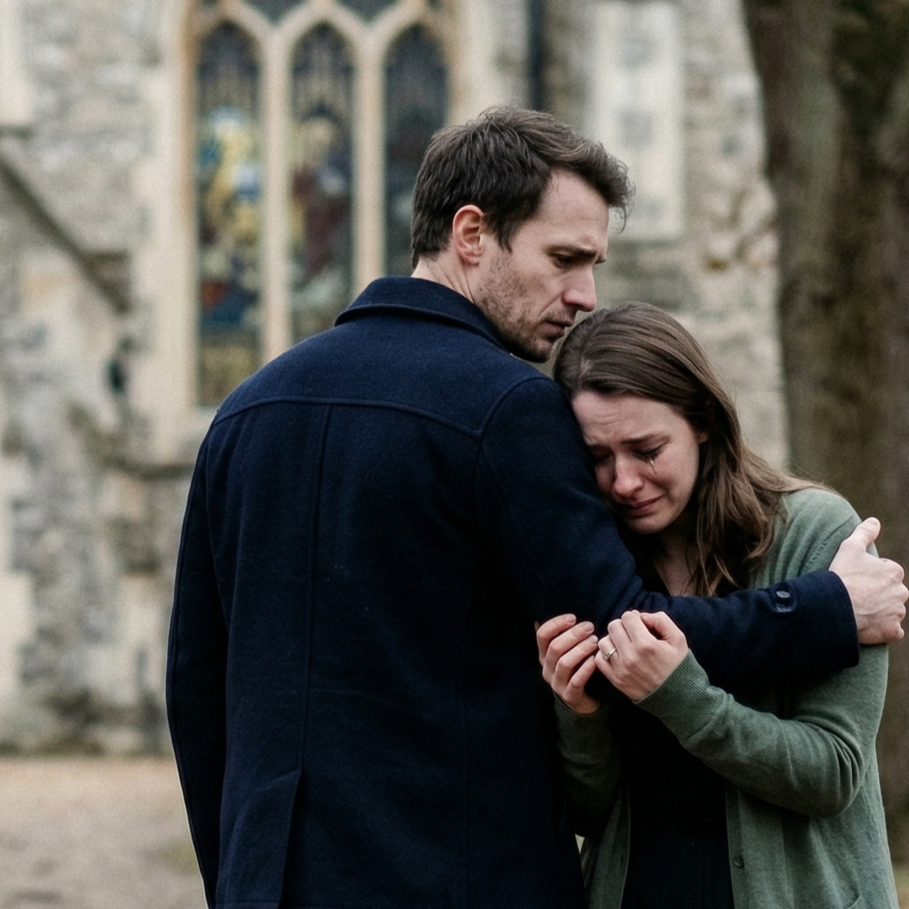
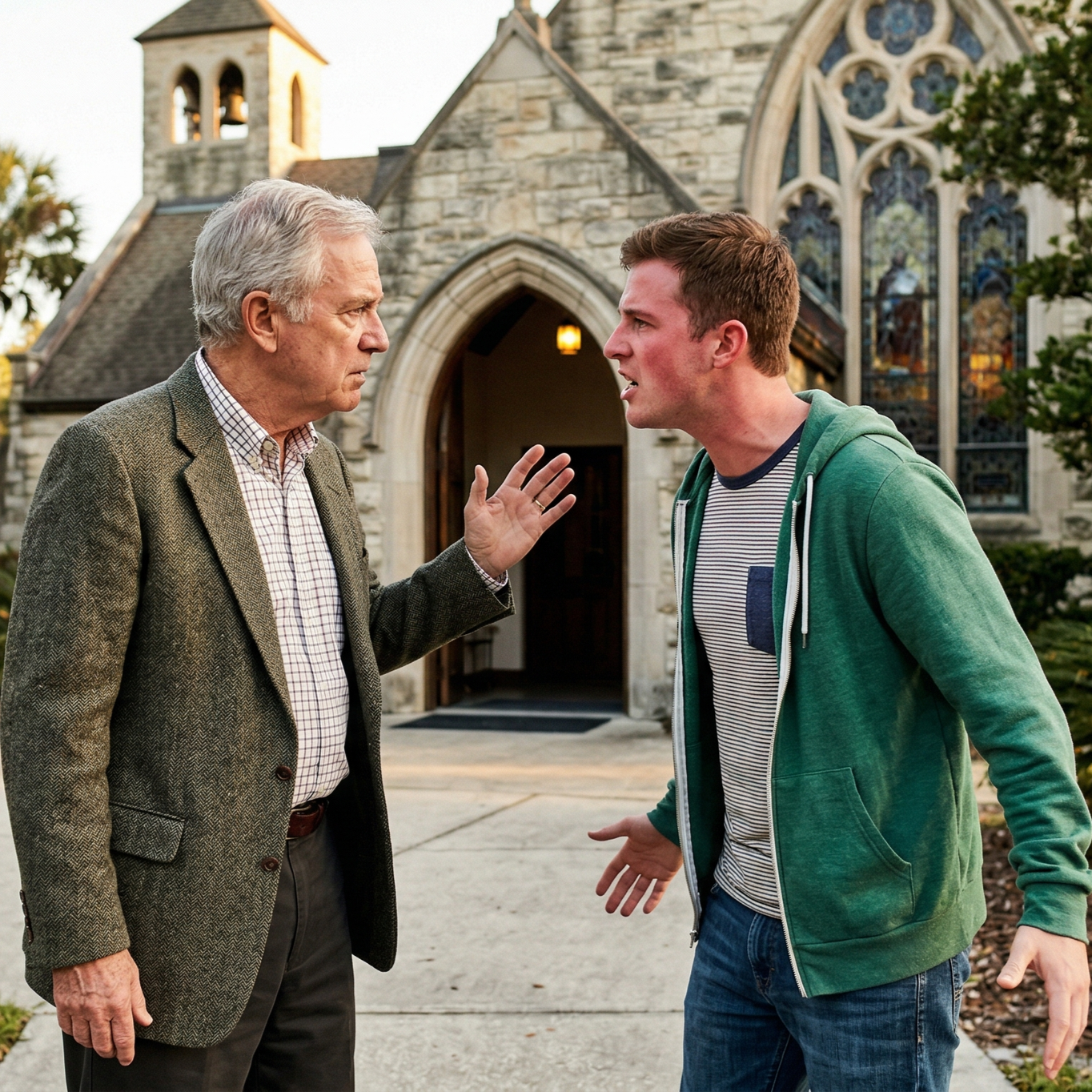
When your sanctuary becomes the source of your struggle, it can feel like the foundation of your world has shifted.
1. Relational Wounds and Exclusion
Ostracization or Shunning: Being ignored or formally cut off because of a disagreement, a life choice, or for asking "too many" questions.
Gossip and Slander: Discovering that personal struggles shared in confidence were used as prayer requests or discussed behind your back.
Cliques and Favoritism: Feeling like a second-class citizen within a community that preaches equality, but practices exclusion.
2. Spiritual Abuse and Misuse of Power
Coercive Leadership: Leaders using the "authority of God" to demand absolute obedience or to shut down any form of critical thinking.
Doctrine as a Weapon: Using scripture to shame, condemn, or silence individuals rather than to offer grace and support.
Performance-Based Worth: Being taught that your value in the eyes of God (and the community) is tied to how much you serve, how much you tithe, or how perfectly you perform.
3. The "Silence" of Doctrine
Spiritual Bypassing: Being told to "just pray more" or "have more faith" when facing clinical depression, severe anxiety, or deep grief, effectively dismissing your human experience.
Moral Injury: Being forced to witness or participate in actions that go against your own conscience in the name of the "mission."
Cover-ups: Discovering that serious wrongdoing or abuse within the community was swept under the rug to "protect the name of the church."
4. Psychological and Physical Impact
Somatic Responses: Feeling a tightening in your chest, nausea, or a "fight-or-flight" response when walking into a church building or hearing a specific worship song.
Hypervigilance: Constantly scanning for judgment or waiting for the "other shoe to drop" in spiritual settings.
Internalized Shame: Adopting a "narrative of brokenness" where you believe you are inherently bad or uniquely disappointing to God.

1. The Collapse of the "Contract"
The transactional approach is built on a "if/then" contract: If I am good, then I am safe. When this collapses, often through hardship or burnout, it leaves a void.
2. Deconstructing "Productive" Spirituality
In a transactional mindset, prayer, tithing, and service are often viewed as "payments" for peace.
3. Re-evaluating the "Internal Critic"
Transactional faith often empowers a harsh internal voice that equates every mistake with spiritual distance.
4. Somatic and Emotional Regulation
The transition involves a physical "un-clenching." Transactional faith keeps the nervous system in a state of high-alert (hypervigilance) to avoid sin or error.
5. Shift in Relational Boundaries
As your identity becomes rooted in who you are in God, your need for external validation from a faith community changes.
6. Embracing Mystery over Certainty
A transaction requires clear terms and certainty. An identity requires trust.
Identity over Effort
It is easy to slip into a transactional approach with God. When life is going well, we tell ourselves it is because we are "doing well." However, when circumstances shift, we often assume we must be failing or displeasing God, and that we are being punished. This dramatically distorts our view of self, leaving us feeling abandoned and constantly seeking external validation for every action we undertake.
But what happens when the "vibe" of peace doesn't return, even when we push ourselves toward the spiritual habits that always worked before? When our primary motivation is a desire for reward, we begin to view God as a judge or a cosmic vending machine. This mindset traps us in a cycle of shame whenever we fall short, leading to an exhausting, uphill battle to finally be "good enough."

Finding Sabbath

Sabbath is often thought of as optional, yet it is identified as holy and remains a major tenet in every faith dynamic. This practice emerges from the creation account in which God "rests" on the seventh day, inviting us to move within this pattern. While God does not require rest, what we discover in the creation account is the power of reflection and the honoring of what has been created. It is the image of God looking upon His work and stating, "It is good."
It is easy to feel overwhelmed by tasks, as they serve as clear, external markers of success. However, a life without reflection does not permit us to honor our work, to appreciate what we have made, or to identify where we desire to move in the future. Sabbath provides the space to transition from constant production to purposeful appreciation.
1. The "Competence" Trap
Stopping feels like a loss of power. If you aren't "doing," you feel as though you aren't "being" anything of value.
2. The Myth of Indispensability
An inflated sense of responsibility that views rest as a form of negligence or abandonment of duty.
3. Somatic "Efficiency"
When you finally sit still, your nervous system interprets the lack of stimulation as a "threat" or "danger," leading to a feeling of "crawling out of your skin."
4. Fear of the "Quiet"
Sabbath requires reflection, and reflection often brings up the emotions we’ve been outrunning with our busy schedules. Silence is the mirror of the soul. If you stop, you might have to feel the grief, the burnout, or the spiritual disconnect you’ve been ignoring.
5. Transactional Guilt
This is the feeling that rest must be "earned" by a certain level of weekly achievement.
6. Relational Pressure and "Social Sabbath"
The fear of being judged by others who are still in "hustle mode" or feeling like you are letting your team or family down by setting a boundary.

Imagine being fully connected Heart, Soul, Mind and Strength

“Faith is more than a practice; it is a foundation that informs your identity. When we engage that faith with vitality, we are equipped to move through challenges that would otherwise overwhelm us. However, when we feel disconnected, we often turn inward in an attempt to understand why. This can lead to a cycle of isolation, distancing us from both our community and the faith we hold so close.
My goal is to walk with you to identify who you truly are. Together, we will uncover what God communicates about your worth and find the truth in those statements. We will move past what others have told you, focusing instead on what you discover and integrate into your life as your own.”
How Therapy Works at Emotive Wellness
Our Approach
Understanding
We want to bear witness to how faith has shaped you and the view of self that has emerged throughout your lifetime, honoring both what it has provided for you and the ways it may have limited you.
Exploring
Together, we will explore the specific areas that cause distress and identify how those triggers appear within your daily life. We will examine how these moments are tied to your environment, your internal emotions, your physical actions, and your key relationships.
Identifying
Discover practical tools to integrate into your daily experience, allowing you to gain deeper insight into yourself and how your triggers manifest. By developing this awareness, you can begin to navigate your reactions with clarity and intention.
Collaborate
We will move at the pace that feels most comfortable for you. I will be there to both push you toward growth and hold space for you, regardless of what may emerge as you move toward healing.
Evidence-Based Approach
-
Thoughts, behaviors and actions all inform one and the other. Our goal is to see the pattern in which they interact and how we are able to adjust those patterns even 1% at a time.
-
Two things can be true at the same time, holding two seemingly contradictory thoughts together. Skills utilize within this space move us from a “all or nothing” perspective towards one in which we are able to ground ourselves effectively within the true story of who we are.
-
Motivational Interviewing is a collaborative conversation style used to strengthen a person’s own motivation and commitment to change. Rather than an expert telling a person why or how they should change, it is an exploration of the person’s own thoughts and feelings. The goal is to help someone resolve their mixed feelings (ambivalence) and tap into their own reasons for making a shift in their life.
-
Solution focused Brief therapy focus’ on alteration of perspective, possibly establishing boundaries regarding relationships that are causing you distress, or alteration of work life balance that is causing you to feel you need to be everything for every one. This is more than just picking low hanging fruit, but it is about identifying with speed those 1% shifts that can be stacked one on top of the other at an increased rate.
-
EMDR is a specialized approach that helps the brain process and integrate difficult or traumatic memories. Under normal circumstances, the brain performs adaptive processing where we digest experiences, file away the lessons, and keep the wisdom for future use. This is how we learn adaptive skills from our past. We keep the skill while the raw emotional intensity of the event fades.
However, when we experience something overwhelming, the brain can sometimes lock that event in its original, raw form, complete with the same sights, sounds, and emotions. This creates a state of stasis where the memory is frozen in time, isolated from the rest of your brain's logic and strengths. In these moments, the brain is unable to access your current adaptive skills or adult perspective. Even if you are a high functioning individual, a triggered traumatic memory can leave you feeling as powerless as you were when the event first occurred.
EMDR uses rhythmic stimulation such as guided eye movements, taps, or tones to help the brain move these memories from a state of distress to a place of peaceful resolution. By creating a bridge between the locked memory and the rest of your brain’s knowledge, EMDR allows the experience to finally be processed and informed by your current strengths. The goal is to unlock the frozen spot so you can finally access the conviction and adaptive skills that were previously out of reach.Item description
Our Services
Getting started is simple and can happen today
Individual Therapy Specialties
Relationship Therapy Services
Family Therapy Services
Ready to Begin?
We’re Here When You’re Ready
We understand starting therapy can feel intimidating, especially when anxiety is already loud. Not knowing what to expect can make reaching out feel even harder. That’s why we aim to make the process simple, supportive, and human from the very beginning.
From your first message to your ongoing sessions, you can expect care, clarity, and respect for your pace.
What the Process Looks Like
Schedule a complementary consultation, typically we will reach out within 24 hours of scheduling to touch base regardless. Most times we can accommodate same day consultations and scheduling complete session within 24 hours.
Step 1: Scheduling
Connect your insurance with our verification platforms to ensure the proper utilization of your benefits.
Step 2: Verify Insurance
We stack small changes, even 1% at a time to build up and create lasting change that will carry us the rest of our lives.
Step 3: Be ready for change
FAQs
-
While my framework is informed by a Judeo-Christian worldview and the restorative pattern of the Sabbath, I meet every individual exactly where they are. Our work is focused on your personal growth and identity. We will move at a pace and within a spiritual context that feels authentic and helpful to you.
-
Pastoral counseling often focuses primarily on spiritual direction and the application of scripture. While I value those foundations, my approach is clinically driven. We utilize psychological tools to understand nervous system regulation, identify behavioral triggers, and address the cognitive patterns that lead to stress and isolation. We look at the practical "how" of your mental health alongside the "why" of your faith.
-
Therapy is not just for moments of crisis; it is a space for alignment and clarity. Many people seek support when they feel they have simply outrun their internal capacity or feel "stuck" in their daily rhythms. We work to help you reconnect with yourself and your purpose, ensuring that your internal peace matches your external life.
-
I provide a strictly non-judgmental space to process those experiences. We want to bear witness to your story, honoring both the ways your community has supported you and the ways it may have wounded or limited you. You are free to bring your doubts, your questions, and your honest reflections into the room without fear of being corrected.
Find a sanctuary for the challenges that are difficult to even name.
Lets find a faith that is deeper than your past experiences, providing a foundation that is authentically your own.